

The Best Cool-Season Grasses for Northern Lawns
A lush, green lawn is often the foundation of a beautiful home landscape. But in northern climates, choosing the right type of grass isn’t just about looks—it’s about survival. Lawns in cooler regions experience freezing winters, mild springs, and sometimes hot, dry summers. Not every grass species can handle such extremes.
Cool-season grasses are specially adapted to thrive in cooler temperatures, bouncing back each spring after winter dormancy and staying green longer into the fall. For homeowners in the northern regions, the Midwest, and similar climates, these lawn varieties are the go-to choice.
In this guide, we’ll explain what cool-season grasses are, how they compare to warm-season types, and which varieties are best for northern lawns. We’ll also break down their performance qualities—like drought tolerance, shade tolerance, and foot-traffic resistance—so you can choose the right mix for your property.
What Are Cool-Season Grasses?
Cool-season grasses are species that grow most vigorously during spring and fall, when air temperatures range between 60–75°F. Unlike warm-season grasses, which thrive in southern regions, cool-season grasses are well adapted to northern climates with cold winters and moderate summers.
Their growth habit is unique: they surge in spring, slow down during the hottest months, and pick back up in early fall. During the peak of summer, when heat stress and shallow roots can become a problem, many cool-season lawns may turn brown and go dormant until temperatures ease.
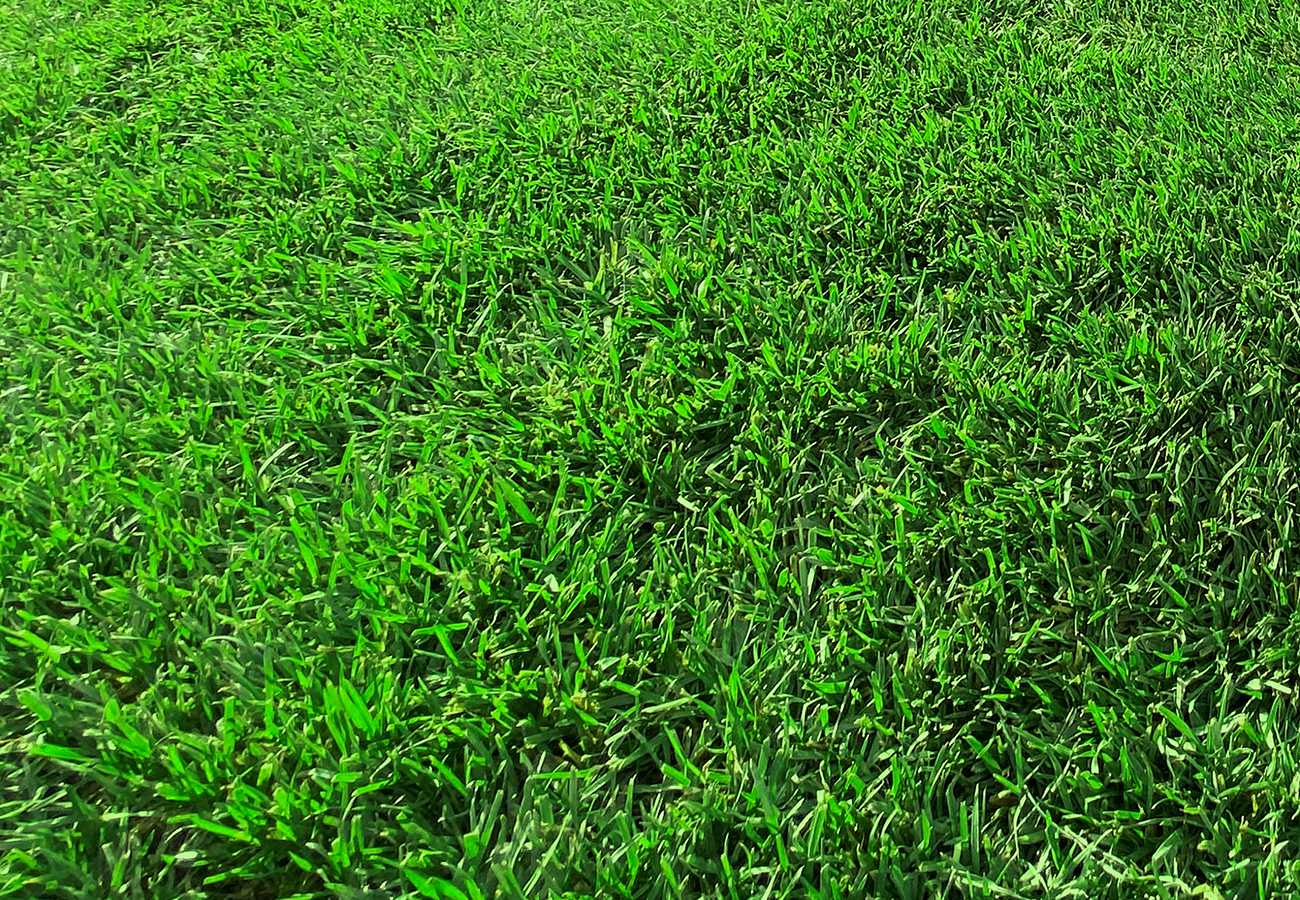
A defining feature of cool-season grasses is their longer-lasting green color compared to warm-season varieties. They also tend to have a fine leaf texture, giving lawns a soft, carpet-like feel underfoot.
Warm-Season vs. Cool-Season Grasses: Key Differences
If you’re wondering whether cool-season grasses are right for your lawn, it helps to understand how they differ from their warm-season counterparts.
- Growth Patterns: Cool-season grasses grow best in spring and fall, while warm-season grasses peak in summer.
- Temperature Tolerance: Cool-season species tolerate frost and snow, whereas warm-season grasses thrive in high heat but traditionally suffer in cold.
- Appearance: Cool-season lawns often look lusher, denser, and finer-bladed. Warm-season lawns can be more coarse and textured, depending on the variety.
- Geographic Distribution: Warm-season grasses are widely used in the southern states, while cool-season lawns are the standard in the North and parts of the Midwest.
The Best Cool-Season Grasses for Northern Lawns
There are plenty of cool-season grass varieties—and even more cultivars—each with its own strengths and weaknesses. It’s a common practice for homeowners to plant blends rather than sticking to one species. Let’s take a closer look at the top performers.
Kentucky Bluegrass
Kentucky bluegrass is often considered the gold standard for northern lawns. Recognized for its dense growth, deep green color, and fine leaf texture, it creates an attractive, uniform surface that many homeowners love. It’s a slow-spreading grass that forms a thick sod, giving lawns a classic, manicured look.
Beyond its aesthetic appeal, Kentucky bluegrass performs exceptionally well in cold climates and has a natural ability to recover from damage, whether caused by pets, kids, or weather extremes. It does, however, take its time to establish—germination can take up to three weeks, which is slower than other cool-season options. Bluegrass also prefers full sun, so it’s not ideal for heavily shaded areas, and with moderate drought tolerance, it benefits from extra watering during hot summers. Because of these traits, it’s often planted with rye grass and fescues in blends that balance out its needs while showcasing its beauty and durability.
Fescues: Fine & Tall Varieties
The fescue family includes a wide range of grasses that adapt well to different climates and soil conditions. The fine fescues, especially creeping red fescue, chewings fescue, hard fescue, and sheep fescue, are some of the widely used varieties for home lawns. They’re valued for their excellent shade tolerance and low-maintenance growth habits. Most fine fescues grow as bunch-type grasses, with creeping red fescue being the exception, as it spreads.
Tall fescue, on the other hand, is a different kind of performer. With a coarser texture and taller growth habit, it may not look as refined as bluegrass or fine fescues, but it makes up for it with durability. With its deep root system, tall fescue has superior drought tolerance compared to other cool-season grasses, and it can handle moderate foot traffic better than most. It also germinates faster than Kentucky bluegrass, making it easier to establish. Together, fine and tall fescues give you options for balancing shade, durability, and resilience in a lawn.
Perennial Ryegrass
If you want results fast, perennial ryegrass is a standout option. This grass is known for its rapid germination—often sprouting within 5 to 10 days—and its rich, medium-green color. It’s a great option for overseeding bare patches or rejuvenating tired lawns because it establishes so quickly. Once established, ryegrass creates a soft, lush surface that looks inviting and feels great underfoot.
Its strengths lie in speed and durability under traffic. Perennial ryegrass holds up well to wear and tear—the same reason it’s widely favored in sports fields and high-traffic lawns. However, because this variety develops shallow roots, it lacks strong drought tolerance and can suffer during hot, late summer weather. It can also be less hardy in extreme cold compared to Kentucky bluegrass and fescues. It’s why ryegrass is often planted in blends, where its quick establishment and traffic resistance complement the strengths of other cool-season grasses.
In northern lawns, the three main categories—bluegrass, fescues, and ryegrass—cover most needs. Within fescues, the choice ranges from shade-friendly fine types to traffic-tolerant tall varieties. These varieties, though traditionally planted from seed, are now widely available as sod, making it easier for homeowners to establish a lawn quickly. If you’re considering sod options, you can explore availability through the Harmony website.
Performance Qualities of Cool-Season Grasses
Grass Type | Drought Tolerance | Foot-Traffic | Shade Tolerance | Cold Tolerance | Heat Tolerance |
Kentucky Bluegrass | Moderate | Moderate | Poor | Best | Moderate |
Fine Fescues | Good (esp. hard) | Lower | Best (creeping red) | Good | Lower |
Tall Fescue | Best | Best | Moderate | Moderate | Best |
Perennial Ryegrass | Lower | Best | Poor | Moderate | Moderate |
Where Do Cool-Season Grasses Grow?
Cool-season grasses thrive in the northern half of the United States and much of the Midwest, particularly USDA zones 3 through 6. They also grow in the transition zone, which stretches across the middle of the country. However, maintaining them there requires more effort due to the higher summer heat.
If you live in areas with cold winters, snowy conditions, or mild summers, cool-season grasses are the natural choice for a healthy lawn.
Planting Cool-Season Grasses
Timing is everything when starting a cool-season lawn, and the best time to plant cool-season grasses is early fall. During this window, the combination of cooler temperatures and seasonal rainfall creates ideal conditions for seeds to establish strong roots before winter. Lawns planted in the fall are often denser, healthier, and better prepared to handle the stress of the following summer.
If fall planting isn’t possible, early spring is the next best option. Spring seeding does work, but new grass will have less time to develop before facing summer heat, which can cause stress and slow growth.
Give your lawn the best chance to establish and thrive by preparing the soil. Clear weeds and debris, sow seed at the recommended depth—about ¼ inch—and keep the soil consistently moist during germination. A light application of fertilizer in fall further supports establishment and sets your lawn up for long-term success. For an even quicker solution, sod installation offers the advantage of near-instant coverage and faster establishment than seed, making it a great option if you want a brand new lawn without the wait.

Can You Mix Cool-Season Grasses?
Mixing various cool-season grasses is very common. Blends help balance out each of their strengths and weaknesses—bluegrass adds beauty, ryegrass speeds up establishment, and fescues bring shade and drought tolerance. This makes mixed-seed lawns more resilient to changing conditions.
With sod, the approach is a little different. Because sod already provides a mature, ready-to-use lawn, its benefits include faster establishment, erosion control, and fewer weeds from the start. Instead of blending, you can plant specific sod varieties where they make the most sense—shade-tolerant fescues in tree-covered areas, or traffic-hardy tall fescue in play spaces. This targeted planting often leads to a healthier lawn overall, since you can match maintenance and care to each area’s needs more precisely.
Is Cool-Season Grass for You?
If you live in the North or parts of the Midwest, a cool-season lawn is likely your best bet. These grasses provide year-round beauty, thrive in cooler temperatures, and recover quickly after winter. However, if you’re in a hot southern region, warm-season grasses will perform better.
When installing sod, the key is selecting the variety that best fits your lawn’s conditions—whether that means Kentucky bluegrass for rich color, tall fescue for durability, or fine fescues for shaded spots. Choosing the right type from the start helps ensure long-term success with less maintenance.
Frequently Asked Questions (FAQs) About Cool-Season Grasses
There are three main categories used for lawns: Kentucky bluegrass, fescues, and perennial ryegrass. There are many cultivars under these varieties, each bred for specific qualities such as improved drought tolerance, shade performance, or traffic durability.
The best time to plant cool-season grasses is early fall, when cooler temperatures and rainfall create ideal germination conditions. Spring planting is possible, but young grass often struggles in the heat of summer. For faster results, sod installation offers near-instant coverage.
Yes, many cool-season lawns go dormant and turn brown during prolonged summer heat or drought. This is a survival mechanism. Once temperatures cool and moisture returns, most varieties green up again.
Cool-season grasses are not well-suited to hot southern climates. In the transition zone where summers are hot but winters can be cold, they can be grown—but they require more maintenance. In the deep South, warm-season grasses are the better choice.
When seeding, mixing is common because it balances the strengths of each variety. With sod, however, the better approach is to choose site-specific sod—such as shade-tolerant fine fescue for tree-covered areas or tall fescue for high-traffic spaces—so each area gets exactly what it needs.
Bunch-type grasses, like most fescues, grow in clumps and don’t spread aggressively, which makes them great for low-maintenance lawns but slower to fill bare spots. Spreading grasses, such as Kentucky bluegrass, send out rhizomes that help them self-repair and form dense, uniform turf.
Final Thoughts
Choosing the right grass is one of the most important steps in building a lawn you’ll love for years to come. Cool-season grasses—whether you favor the lush look of bluegrass, the durability of fescues, or the fast growth of ryegrass—offer plenty of options for northern lawns.
Take the time to match your grass type to your region and lifestyle needs. When done right, your lawn will not just survive northern winters—it will thrive, giving you a green, welcoming landscape year after year.
Ready to take the next step? Visit the Harmony website to find the best cool-season sod variety for your location and connect with a local sod farm or supplier near you.